
Complete Systems Built for Decades of Performance
Roofing Replacement in Willoughby for properties with widespread shingle failure, multiple leak points, or roofs approaching end of service life
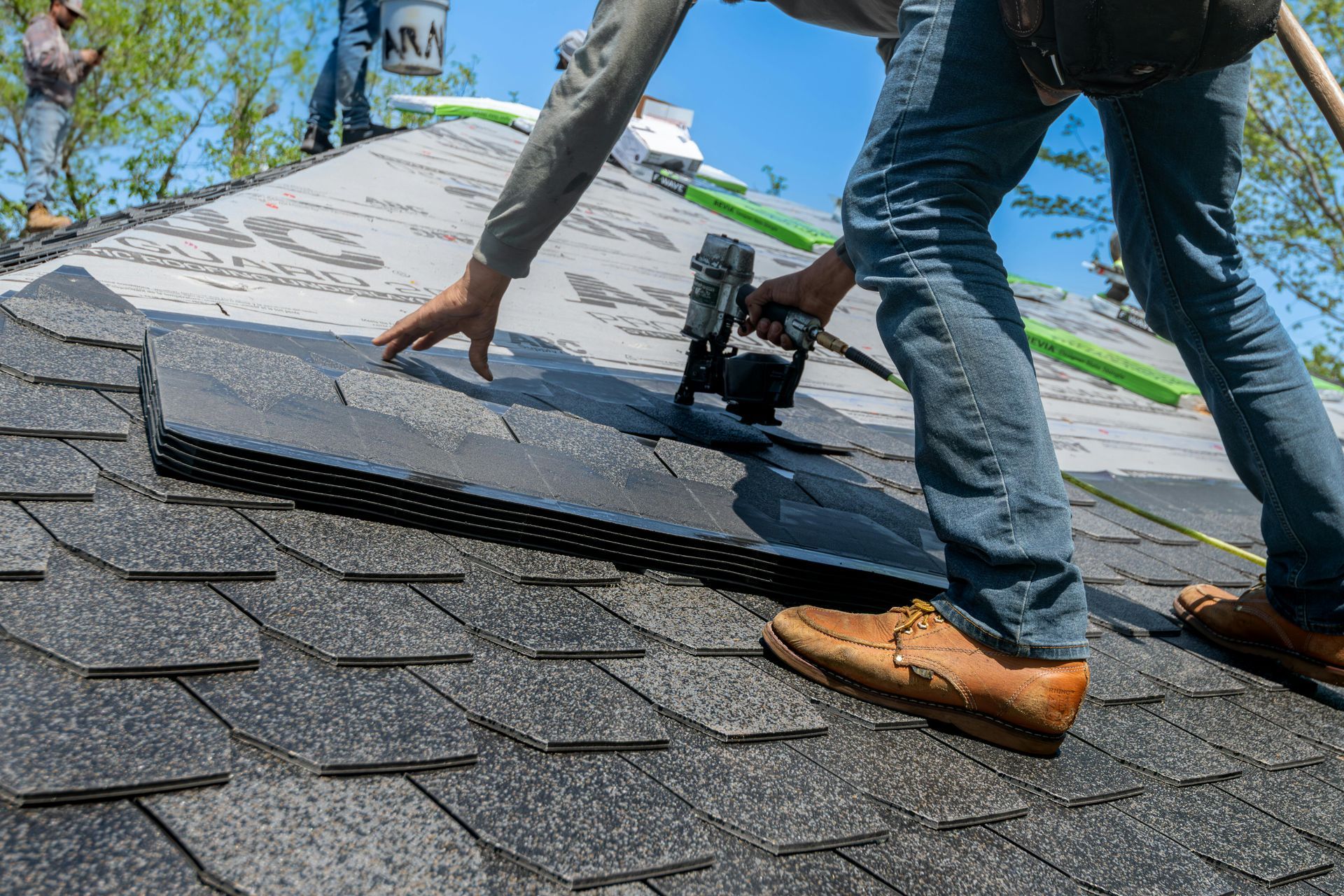
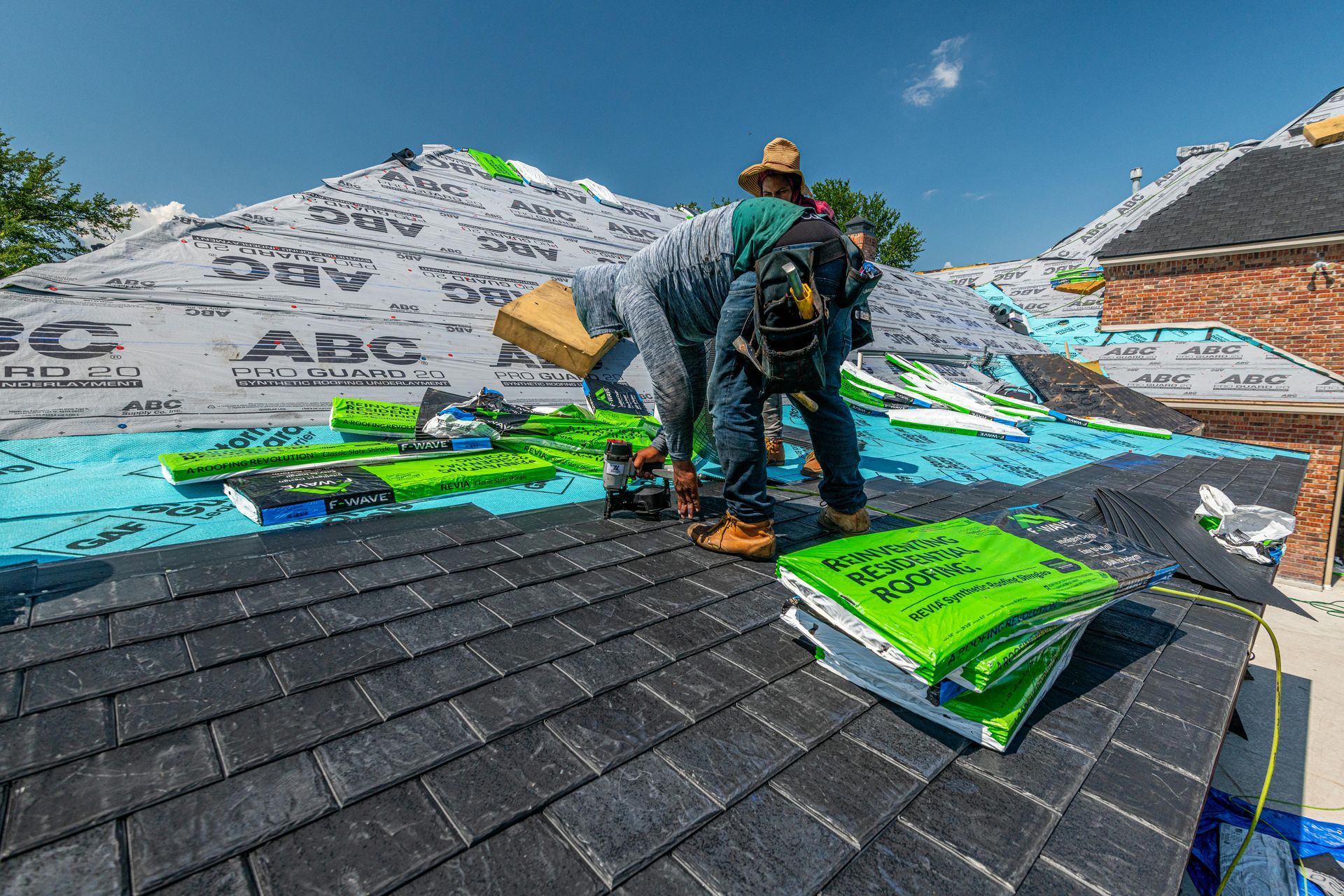
Roofs fail completely when shingle deterioration becomes widespread, underlayment breaks down across large areas, or decking rot compromises structural integrity in multiple locations. At that point, repairs address symptoms without solving the underlying problem that the entire roofing system has reached the end of its functional life. Complete tear-off and replacement involves removing all existing material down to the roof deck, inspecting and repairing structural components, then installing new underlayment, flashing, ventilation, and roofing material designed to handle snow loads, wind exposure, and temperature extremes common to Willoughby. Great Lakes Property Solutions manages full replacement projects that upgrade both protection and energy performance through modern roofing systems.
The tear-off process exposes decking for inspection before new material covers potential problems, allowing replacement of any compromised sheathing or framing that wouldn't be accessible during repair work. New underlayment creates a complete weather barrier independent of the shingle layer, and upgraded materials include ice and water shield in vulnerable areas where Willoughby's freeze-thaw cycles create leak risks. Ventilation systems are redesigned if existing configurations don't provide adequate airflow, since proper ventilation extends shingle life and prevents ice dam formation.
Schedule an on-site assessment to evaluate decking condition and discuss material options appropriate for your property's exposure and architectural style.
What Changes After Complete Roof Replacement
New roofing systems eliminate the water infiltration, energy loss, and maintenance urgency that characterize failing roofs. Modern shingle products include impact resistance and wind ratings that exceed older materials, and upgraded underlayment prevents leaks even if shingles are damaged before repairs can be completed. Ventilation improvements reduce attic temperatures in summer and prevent moisture accumulation in winter, both of which extend shingle life and reduce cooling costs.
After replacement, ceiling stains stop appearing, attic insulation remains dry through storm seasons, and ice dams no longer form along eaves during winter thaws. The roof deck sits flat without sags or soft spots, and shingles lie uniformly across all roof planes without the patchwork appearance that develops from years of spot repairs. Flashing at chimneys, vents, and valleys forms continuous weatherproof transitions, and gutters attach to solid fascia rather than boards compromised by years of water exposure.
Material selection affects both appearance and performance, with architectural shingles providing dimensional appearance and longer warranties compared to three-tab products, and metal roofing offering different performance characteristics suited to specific applications. Color choices influence attic temperatures and energy costs, particularly on south-facing roof planes that receive direct sun exposure throughout the day. All components from drip edge to ridge vents are replaced as part of the complete system rather than attempting to integrate new roofing with aged accessories.
What Property Owners Usually Ask
Replacement projects involve significant investment, so homeowners typically need detailed information about process, timing, and material options.
- What happens during the tear-off process? All existing shingles, underlayment, and flashing are removed down to the roof deck, debris is cleared continuously to protect landscaping and allow inspection access, and decking is examined for soft spots or damage requiring repair before new materials are installed.
- How does decking inspection affect the project? Damaged or rotted sheathing is cut out and replaced with new plywood or OSB that matches existing thickness and provides solid fastening surface for new roofing materials, ensuring structural integrity across the entire roof plane.
- What roofing materials work best for Ohio weather conditions? Asphalt architectural shingles with high wind and impact ratings handle storm exposure, while ice and water shield underlayment in valleys and along eaves prevents leaks from ice dams common in Willoughby's freeze-thaw cycles.
- How long does complete roof replacement take? Most residential projects are completed in two to four days depending on roof size and complexity, though weather delays can extend timelines and decking repairs add time when structural issues are discovered during tear-off.
- What improvements beyond shingles should be included? Upgraded ventilation prevents premature shingle aging and ice dams, new flashing provides longer-lasting leak protection than reusing old components, and quality underlayment creates redundant weather protection that extends system life in harsh climates.
Great Lakes Property Solutions provides complete project plans that address both visible roofing components and the structural and ventilation systems that determine long-term performance. Request a comprehensive evaluation to review material options and project scope for your specific roof configuration.