
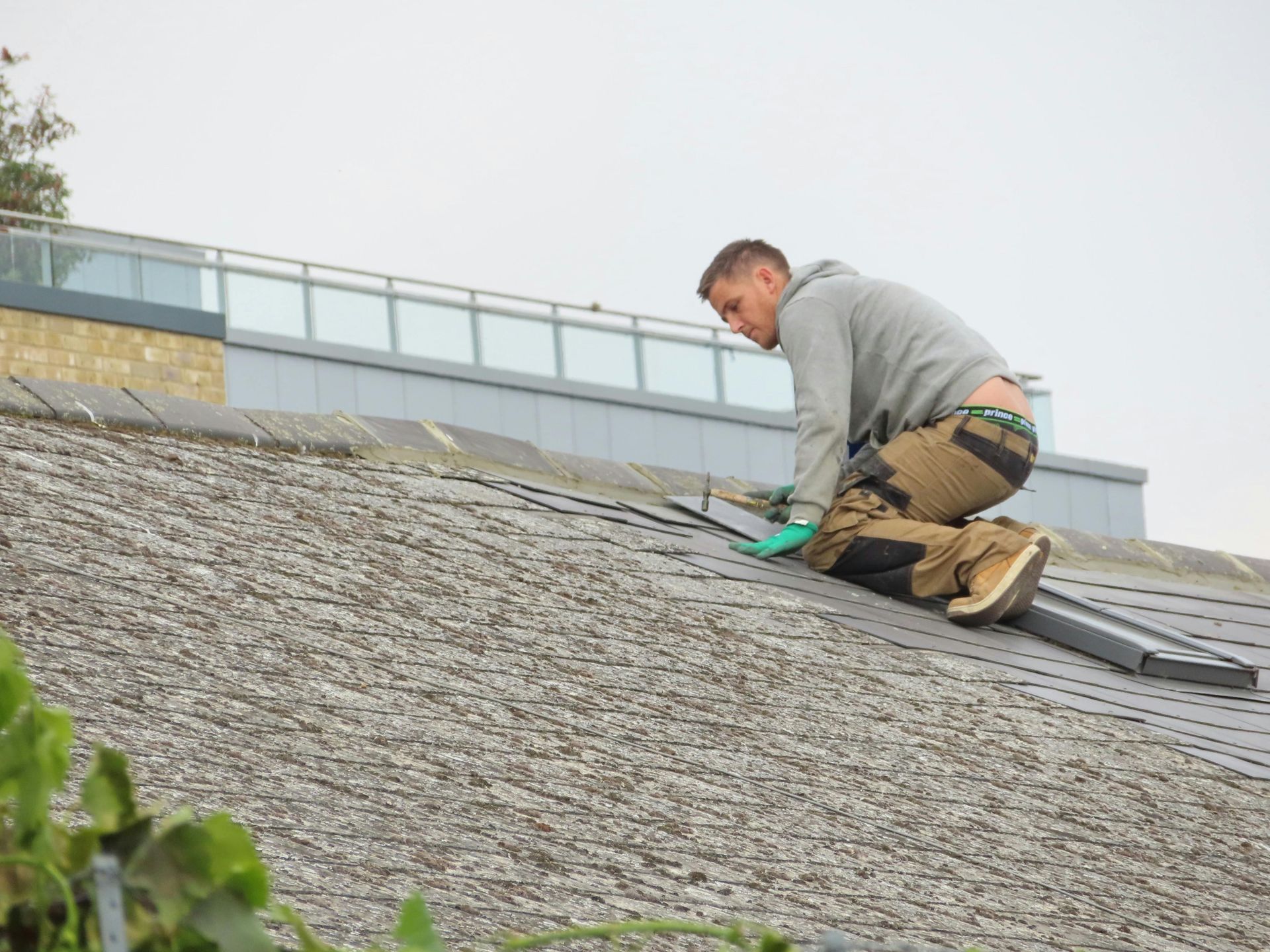
Repairs That Stop Leaks Before Structural Damage
Roofing Repairs in Willoughby for properties with active leaks, missing shingles, or compromised flashing after storm events
When wind lifts shingles or hail damages protective layers, water finds pathways into attic spaces and wall cavities within hours of the next rain. Great Lakes Property Solutions responds to repair requests throughout Willoughby with targeted fixes designed to restore roof integrity without replacing entire sections unnecessarily. The work addresses visible damage—missing shingles, exposed nail heads, separated flashing—and the less obvious vulnerabilities that develop where roof planes intersect or where penetrations compromise the weather barrier.
Repair work involves removing damaged shingles back to intact material, inspecting underlying felt or underlayment for tears or saturation, and replacing both layers if moisture has penetrated the decking. Flashing repairs focus on valleys, chimneys, and vent pipes where metal components separate from roofing material due to thermal expansion or fastener failure. Sealant application targets areas where mechanical fastening alone can't prevent water infiltration, particularly around protrusions and along ridge caps exposed to wind-driven rain.
Arrange an on-site evaluation to identify all areas requiring attention and prevent secondary damage to interior spaces.
How Targeted Repairs Address Storm Damage
Storm damage typically concentrates in predictable locations—edges where wind gets underneath shingles, valleys where water volume overwhelms channels, and protrusions where flashing pulls away from roofing planes. Repairs replace compromised shingles and reseal flashing connections, but they also address the fastener patterns and underlayment integrity that determine whether the repair lasts through the next storm season. Shingles are interlocked with existing courses and fastened according to manufacturer specifications to resist uplift.
Once repairs are complete, you'll see that ceiling stains stop expanding, attic insulation remains dry after rainstorms, and water no longer tracks down interior walls during heavy weather. Replaced shingles match the existing roof color and lie flat against the roof deck without lifting at the edges. Flashing around chimneys and vent pipes forms continuous seals that move water away from penetrations rather than allowing it to pool against vertical surfaces.
Some damage isn't visible from ground level, particularly where shingles appear intact but underlying felt has torn or where fasteners have backed out without displacing the shingle itself. Repairs include inspection of decking for soft spots or rot that indicate prolonged moisture exposure, and those sections are replaced before new roofing material is installed over compromised structure.
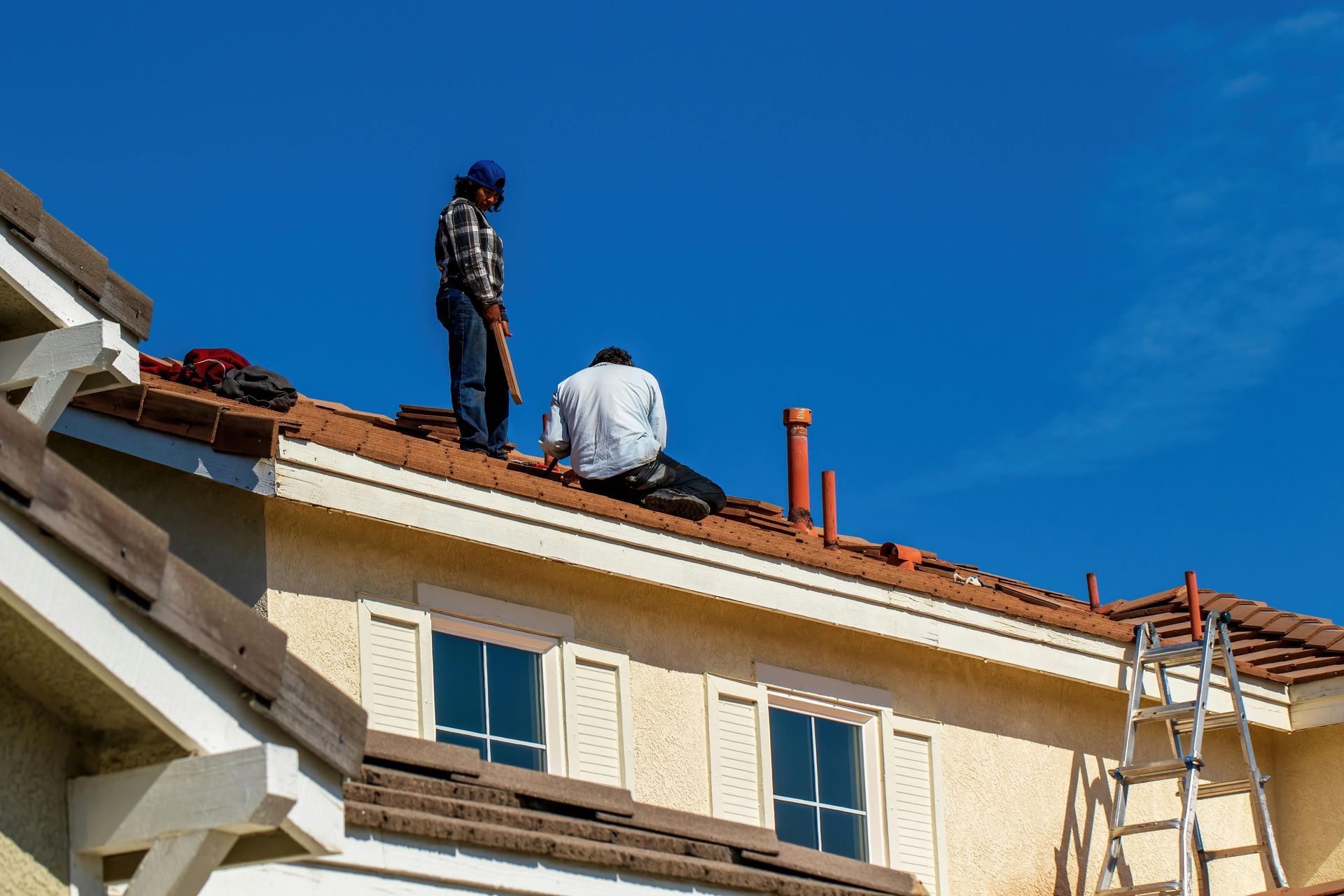
Answers to Frequent Service Questions
Homeowners often need clarity on response times, repair scope, and how to distinguish between repair needs and replacement indicators.
- What types of damage can be repaired without full replacement? Localized shingle damage, flashing separation, small punctures, and isolated leaks are typically repairable as long as the majority of the roof system remains intact and decking shows no widespread deterioration or structural compromise.
- How quickly should storm damage be addressed? Immediate temporary protection prevents water intrusion, and permanent repairs should be completed within days to prevent secondary damage to insulation, framing, and interior finishes that develop once moisture enters building cavities.
- What happens if decking underneath is damaged? Soft or rotted decking sections are cut out and replaced with new sheathing that's fastened to rafters before underlayment and shingles are installed, ensuring the roof structure can support material weight and resist wind uplift.
- How do you match existing shingle colors on partial repairs? Shingle manufacturers maintain consistent product lines, but UV exposure fades roofing over time, so repairs may show slight color variation initially until weathering evens out the appearance across repaired and existing sections.
- When does repair cost approach replacement cost? If damage affects more than 30 percent of the roof surface, or if multiple leak points indicate widespread underlayment failure, replacement often provides better long-term value than extensive repairs across a roof system nearing the end of its service life in Willoughby's weather conditions.
Great Lakes Property Solutions provides detailed damage assessments that separate immediate repair needs from longer-term replacement planning. Schedule an inspection to document current roof condition and repair priorities.