
Precision Installation Designed for Weather Extremes
Roofing Installation in Willoughby for new construction projects and property upgrades requiring complete roofing systems
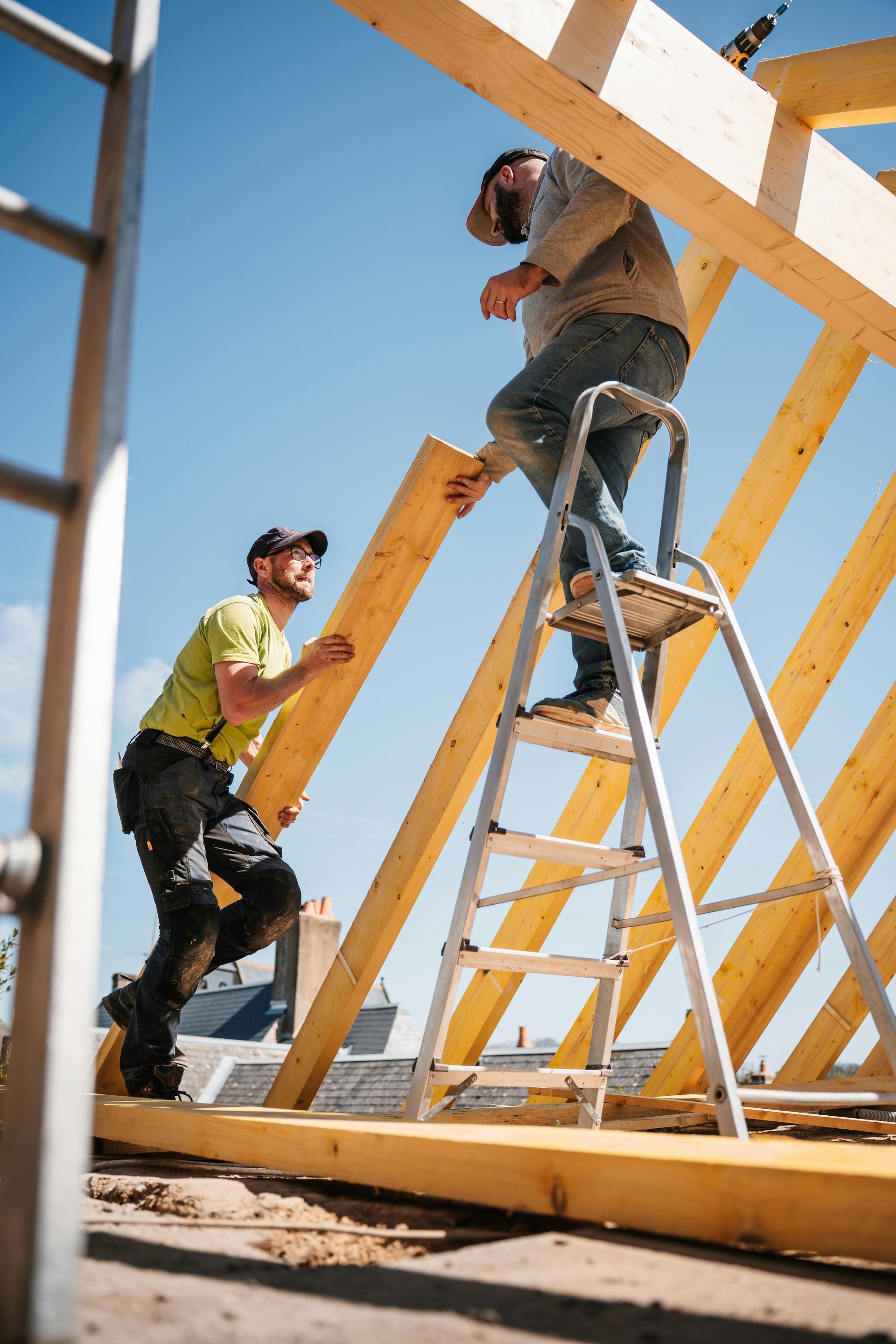
New buildings and major additions require roofing installation that establishes complete weather protection from the first winter, without the grace period that comes with replacing a roof that's kept water out for decades. The installation process on new construction involves coordinating with framing schedules, selecting materials suited to the building's exposure and design, and installing underlayment, ventilation, and roofing products in sequence that creates a weatherproof assembly before the structure is closed in. Great Lakes Property Solutions handles full roof installation on new builds and upgrades throughout Willoughby, working with asphalt shingles, metal systems, and other durable materials designed for Ohio's snow loads, wind exposure, and freeze-thaw cycles.
Installation begins once roof decking is complete and inspected, with underlayment rolled and fastened across the entire roof deck to create a temporary weather barrier during construction. Ice and water shield is applied in valleys and along eaves where ice dams form, then standard underlayment covers remaining areas. Drip edge is installed along eaves and rakes before shingles are laid, and flashing is integrated at all penetrations and transitions as roofing material is applied rather than added afterward.
Arrange a consultation to discuss material selection and installation approach suited to your building design and exposure conditions.
Why Proper Installation Requires Attention to Details
Roofing installation on new construction allows proper sequencing that's impossible during replacement work—ventilation systems can be designed into the roof structure, flashing can be integrated with wall assemblies before siding covers transitions, and material choices aren't constrained by existing components. Shingle courses are laid with proper overlap and fastener placement specified by manufacturers, since installation errors void warranties and create leak points that won't appear until years later when weather exploits poor workmanship.
After installation is complete, the roof sheds water to gutters without pooling or backup, and ventilation systems move air from soffit intakes to ridge exhausts without dead zones where heat and moisture accumulate. Shingles lie flat across all roof planes with consistent reveal and alignment, and flashing at chimneys, walls, and valleys creates weathertight transitions that don't rely on sealant alone to prevent water infiltration. Energy efficiency improves compared to older roofing products, particularly when lighter-colored shingles are installed on south-facing slopes that receive direct sun exposure.
Ventilation design must account for attic volume and roof pitch to provide adequate airflow, with intake area at soffits matching exhaust area at ridge or gable vents. Metal roofing installations require different fastening patterns and underlayment specifications than asphalt shingles, and panel profiles must be oriented to handle water volume and snow loads specific to the roof's exposure. All components work as a system—underlayment provides weather protection even if shingles are damaged, ventilation prevents premature aging from heat buildup, and flashing directs water away from vulnerable transitions regardless of shingle condition.
Questions Before Starting Your Project
New installation projects involve decisions about materials, timing, and coordination with other construction activities.
- What roofing materials are appropriate for new construction in Willoughby? Asphalt architectural shingles provide cost-effective protection with 25 to 30 year warranties, while metal roofing offers longer service life and different aesthetic options, both designed to handle snow loads and wind exposure common to Northeast Ohio.
- How does roof pitch affect material selection? Steeper pitches shed water and snow more effectively and allow a wider range of materials, while low-slope applications require specific products and installation methods to prevent water infiltration where gravity doesn't move moisture off the roof quickly.
- What ventilation system works best for new installations? Ridge vents combined with continuous soffit vents provide balanced airflow across the entire attic space, preventing hot spots and moisture accumulation that reduce shingle life and create ice dams during winter months in this climate.
- When should roofing be installed during construction sequencing? Roofing installation happens after decking and framing are complete and before interior finishing begins, protecting the structure from weather while allowing other trades to work inside without weather delays or moisture damage to materials.
- How do installation requirements differ from replacement projects? New installation allows proper ventilation design integrated with framing, flashing coordination with wall assemblies before siding installation, and material selection without constraints from existing components or color-matching requirements that limit replacement options.
Great Lakes Property Solutions coordinates roofing installation with project schedules and building requirements, ensuring weather protection is established as construction progresses. Schedule a planning session to review material options and installation timing appropriate for your building project.