
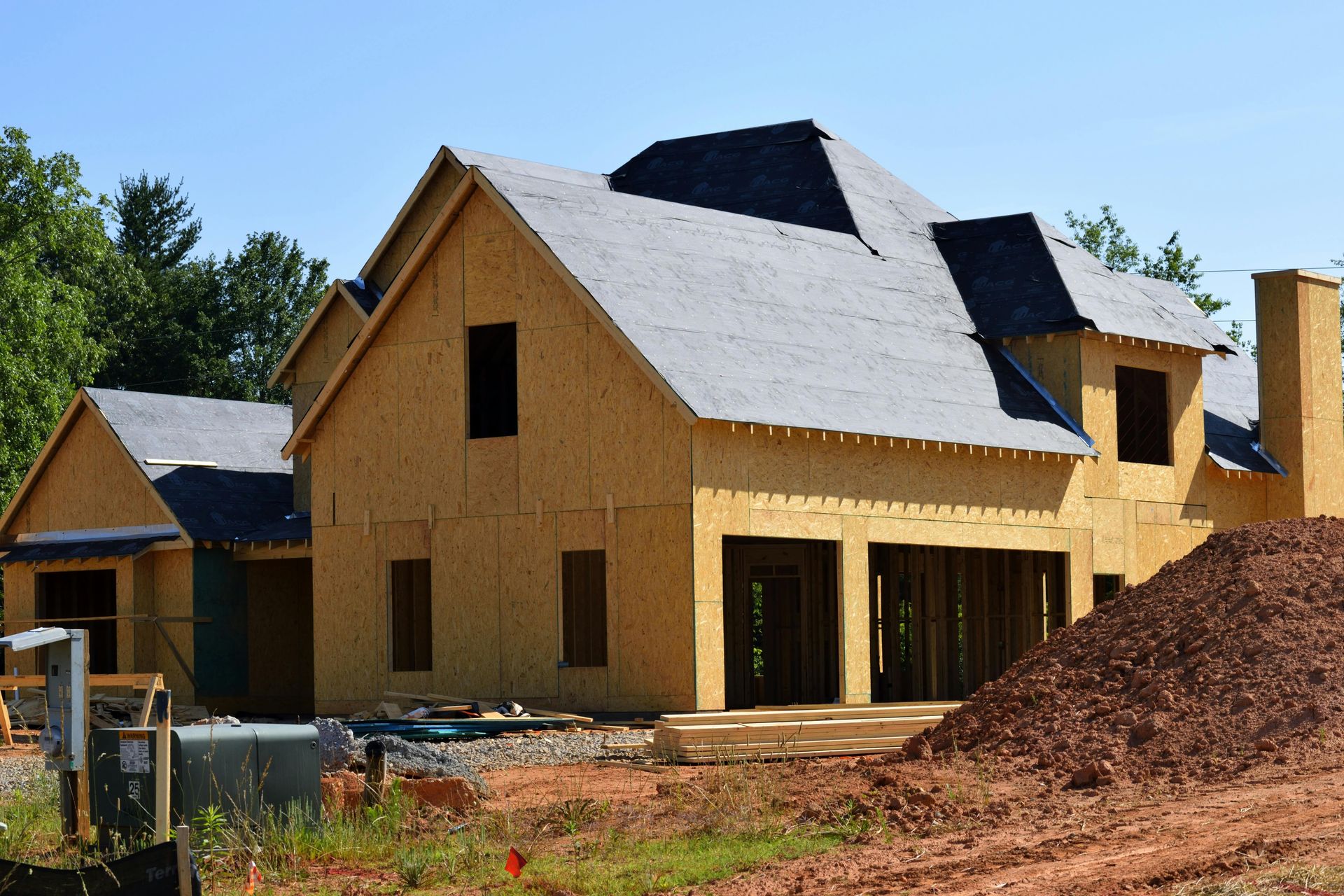
Protection Systems Installed During Building Phase
New Construction Roofing in Willoughby for residential and commercial projects requiring complete roofing systems coordinated with building schedules
New construction creates the opportunity to install roofing systems without the compromises required during retrofit work, and Great Lakes Property Solutions collaborates with builders in Willoughby to deliver roofing that integrates properly with structural framing and meets modern energy standards. The installation happens after sheathing is complete but before interior finishes that could be damaged by weather exposure, and the work includes ventilation design, flashing integration, and material selection based on the building's intended use and expected lifespan. Builders working on tight schedules depend on roofing installation that keeps projects weather-tight without delays that affect subsequent trades.
The process begins with verifying that roof sheathing is properly fastened and that framing meets the load requirements for the specified roofing material, since asphalt shingles, metal panels, and tile systems impose different weight loads on structure. Underlayment installation creates a secondary weather barrier that protects sheathing if wind-driven rain penetrates the primary roofing layer, and ice and water shield is applied at valleys, eaves, and penetrations where water concentration increases leak risk. Ventilation design balances intake and exhaust to prevent the attic heat buildup and moisture accumulation that shortens shingle life and promotes mold growth in Ohio's humid climate.
Request a consultation to coordinate roofing installation timing with your construction schedule and review material options suited to your building design.
Why Installation Timing Affects Long-Term Performance
Installing roofing systems during new construction allows for proper flashing integration at walls, chimneys, and roof penetrations that's difficult to achieve during retrofit projects where existing finishes limit access. Flashings are layered with wall barriers and trim components in the correct sequence to direct water away from vulnerable joints, and valleys receive reinforced underlayment before roofing material is applied. Energy-efficient systems incorporate radiant barriers or enhanced insulation coordination that reduces cooling costs in finished buildings, and the material selection accounts for the building's architectural style and the performance requirements of its location.
After roofing installation completes, your structure is protected from weather that could damage framing, insulation, and interior finishes during the remaining construction phases. You gain a roof system with uniform material that shows no patching or color variation, and all penetrations for vents, skylights, and mechanical equipment are flashed according to manufacturer specifications that maintain warranty coverage. The ventilation system functions as designed from day one, preventing the attic condensation and heat accumulation that cause premature shingle aging and reduce the effectiveness of ceiling insulation.
Material selection involves comparing the lifespan expectations of asphalt shingles, metal roofing, and alternative systems against initial cost and maintenance requirements. High-performance shingles with algae-resistant granules prevent the black streaking common on roofs in shaded areas, while metal systems offer longer service life with minimal maintenance but require acoustic considerations in living spaces directly below the roof deck.
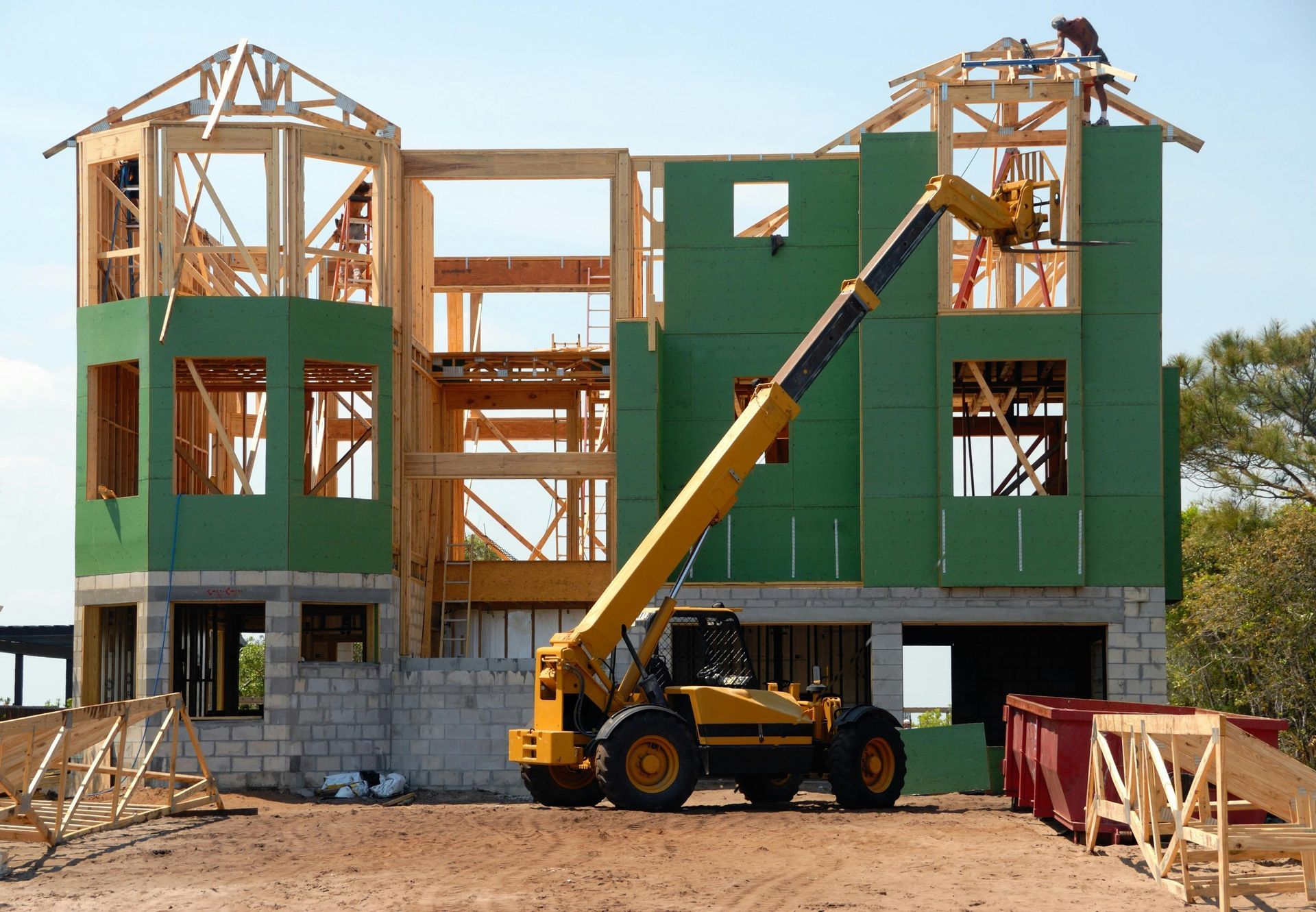
Common Questions About New Construction Roofing
Builders and property owners planning new construction need to understand how roofing decisions affect project timing, building performance, and long-term costs.
- What roofing materials meet modern energy efficiency standards? Energy-efficient roofing includes cool-roof shingles with reflective granules that reduce solar heat gain, metal roofing with reflective coatings, and systems designed to accommodate additional insulation at the roof deck. These materials lower cooling costs and may qualify for energy efficiency incentives depending on local building programs.
- How does roofing installation coordinate with other construction phases in Willoughby? Roofing typically happens after the structure is dried in with sheathing but before interior drywall and finishes that water exposure could damage. Timing depends on weather windows during Northeast Ohio's construction season, and the installation must be complete before heating systems are activated to prevent condensation issues in unventilated attic spaces.
- What ventilation requirements apply to new residential roofing? Building codes specify minimum ventilation ratios based on attic square footage, typically requiring one square foot of net free ventilation area for every 150 square feet of attic space when intake and exhaust vents are balanced. Proper ventilation prevents ice dam formation during winter and reduces cooling loads during summer months.
- Why do some new construction projects use architectural shingles instead of three-tab shingles? Architectural shingles offer longer warranties, better wind resistance, and enhanced aesthetic appearance compared to traditional three-tab products. The dimensional profile creates shadow lines that add visual interest, and the heavier construction resists the curling and cupping that develops in lightweight shingles exposed to attic heat.
- What happens if roofing installation is delayed during construction? Delays expose sheathing to weather that can cause swelling, warping, and moisture damage that affects how roofing materials lay flat. Extended exposure also risks water intrusion into framing and insulation, which creates conditions for mold growth and structural damage that's costly to remediate once the building is enclosed.
Great Lakes Property Solutions works directly with builders and project managers to ensure roofing installation aligns with your construction timeline. Contact us to discuss material options and schedule coordination for your new building project.