
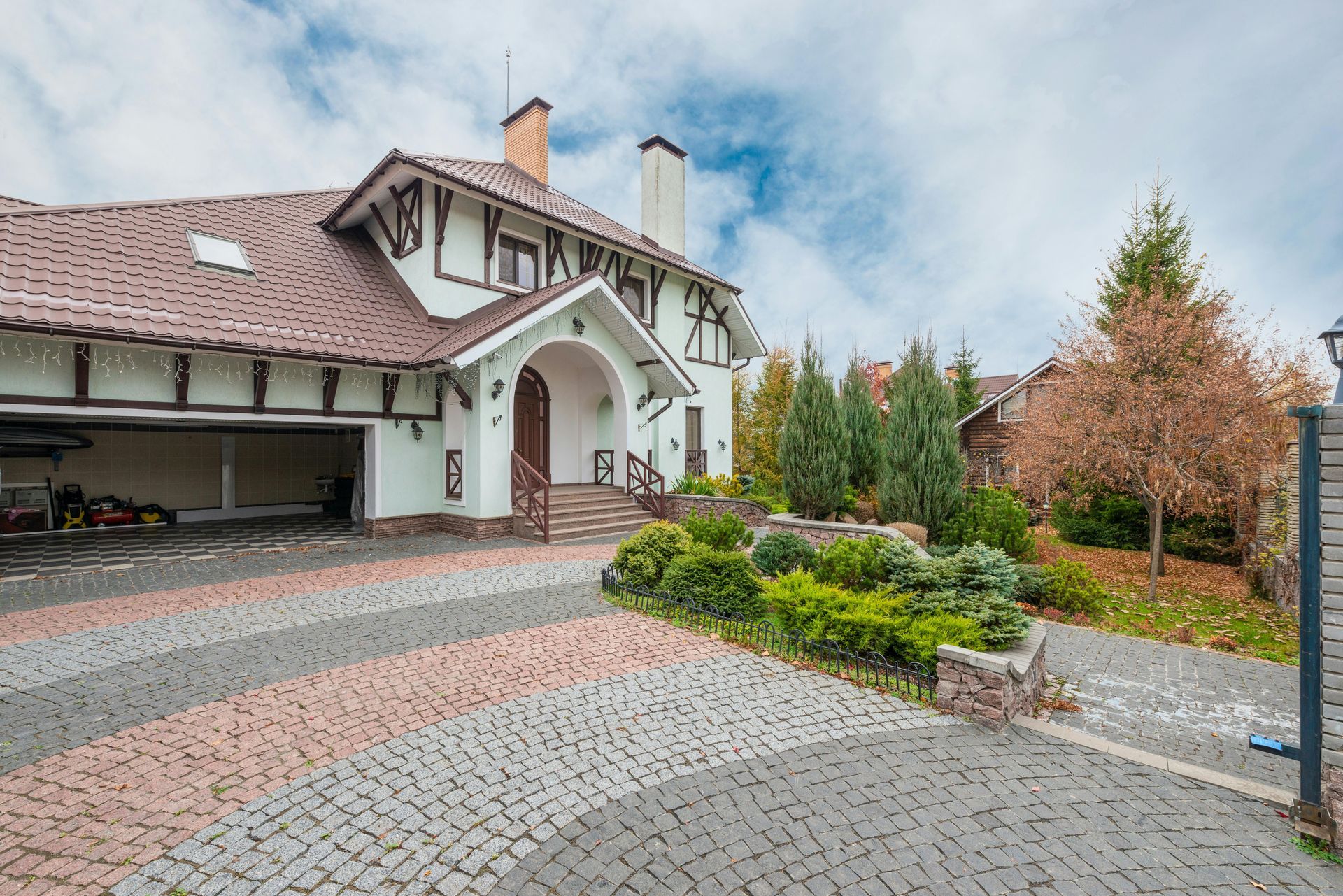
Surfaces Built to Handle Daily Vehicle Use
Driveway Installation in Willoughby for properties needing reliable vehicle access and improved exterior appearance
Great Lakes Property Solutions handles driveway installation in Willoughby for residential and commercial properties where aging surfaces create drainage problems or where new construction requires vehicle access infrastructure. The work includes removing deteriorated materials, preparing the site to prevent future settling, and installing concrete or alternative surfaces based on traffic patterns and soil conditions. Property owners notice immediate improvements in curb appeal and functional access that eliminates the puddles, cracking, and uneven surfaces that develop when driveways lack proper base preparation.
Installation begins with evaluating the existing grade and soil stability, then removing old asphalt or concrete down to stable subgrade. Proper base preparation involves compacting aggregate layers to prevent the settling that causes cracking within the first few years, and the thickness of the concrete pour depends on whether the driveway serves passenger vehicles or heavier commercial trucks. Surface options include standard concrete with control joints placed to manage thermal expansion, or alternatives like pavers that allow for easier future repairs to individual sections.
Schedule a property evaluation to assess soil conditions and determine the base requirements for your driveway project.
What Proper Site Preparation Accomplishes
The preparation phase determines whether your driveway develops premature cracking or remains stable for decades. Subgrade compaction creates a stable foundation that resists the freeze-thaw cycles common in Northeast Ohio, where water infiltration and winter temperatures cause heaving and settlement in poorly prepared bases. Aggregate base layers are compacted in lifts, and the final grade directs water away from structures to prevent pooling that accelerates deterioration.
After installation, you notice a smooth transition from the street to your property without the jarring drop or hump that indicates poor grading, and water sheds consistently toward drainage areas instead of collecting in depressions. The surface remains level across its width, and control joints appear at regular intervals to manage the expansion and contraction that occurs with seasonal temperature changes. Concrete cures to full strength over several weeks, during which the surface transitions from dark gray to a lighter, uniform color.
The installation includes setting edge forms to define boundaries and prevent lateral spreading during the pour, finishing techniques that create slip resistance without trapping water in surface textures, and curing procedures that prevent rapid moisture loss that weakens the surface layer. Commercial installations often involve thicker slabs with reinforcement and may require coordination with site access needs during construction.
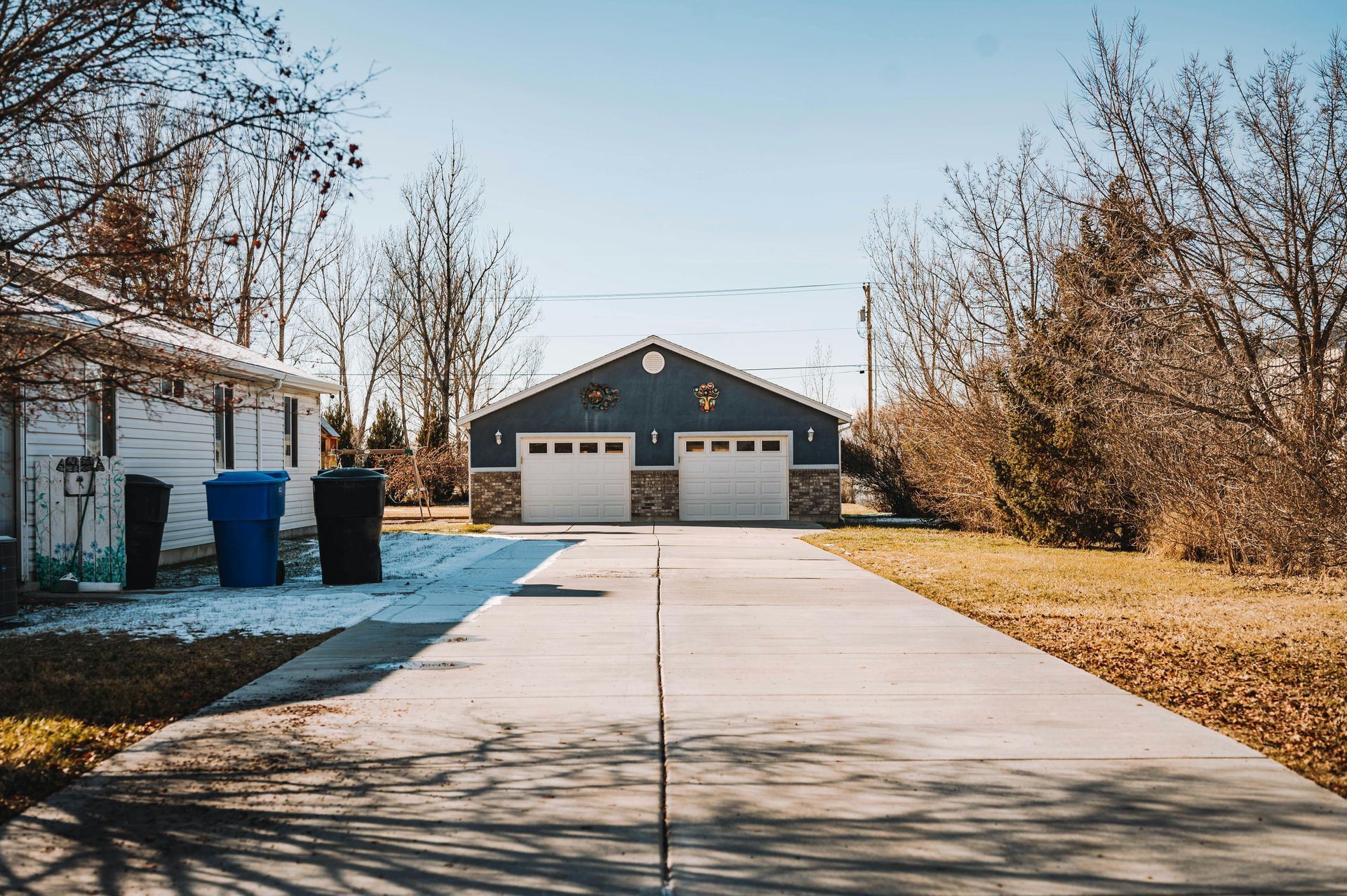
Questions Property Owners Ask Before Installation
Driveway projects involve decisions about materials, drainage integration, and timing that affect both immediate functionality and long-term durability.
- What determines whether concrete or an alternative surface works better for a property? The decision depends on your budget, the expected vehicle weight, and whether you prioritize ease of future repairs. Concrete offers unmatched durability for heavy use, while pavers allow you to replace individual sections without patching that creates visible repairs, and asphalt provides a lower initial cost but requires seal coating maintenance every few years.
- How does site preparation differ between residential and commercial driveway installation? Commercial projects in Willoughby require thicker concrete pours and reinforced bases to handle delivery trucks and sustained traffic loads, while residential driveways typically use four inches of concrete over compacted aggregate unless the property includes RV or heavy equipment storage that demands commercial-grade thickness.
- What happens to drainage when a new driveway is installed? The grading plan directs water toward existing drainage infrastructure or landscape areas, and the installation may include catch basins or channel drains if the property's natural slope directs water toward structures. Proper drainage prevents the standing water that accelerates freeze-thaw damage during winter months.
- When should control joints be cut into concrete driveways? Control joints are cut within 24 hours of finishing while the concrete is still green, and they're spaced at intervals roughly equal to the slab thickness multiplied by two to three, which manages the cracking that inevitably occurs as concrete shrinks during curing.
- What affects the timeline for completing a driveway installation? Weather conditions, the extent of demolition required, and concrete curing time all influence scheduling. The actual pour and finishing happen in one day, but you'll need to avoid vehicle traffic for at least seven days to prevent surface damage while the concrete reaches sufficient strength.
Great Lakes Property Solutions coordinates removal, preparation, and installation to minimize disruption to property access. Request a detailed estimate that accounts for your specific site conditions and vehicle use requirements.